
 Written by
 Yes: the most sensual dance is a male-male tango
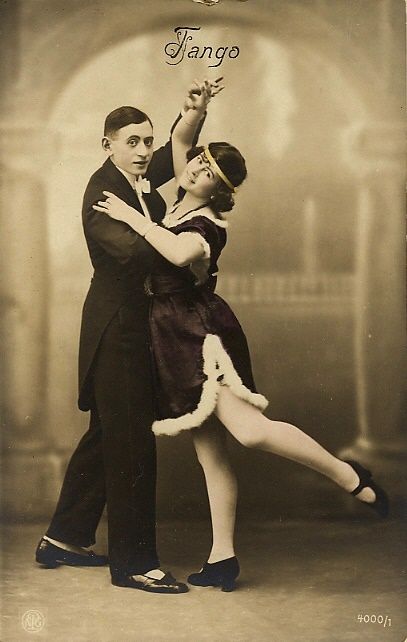
Every December 11th, Argentina celebrates the National Tango Day, in homage to two giants of the genre: Carlos Gardel and Julio De Caro.
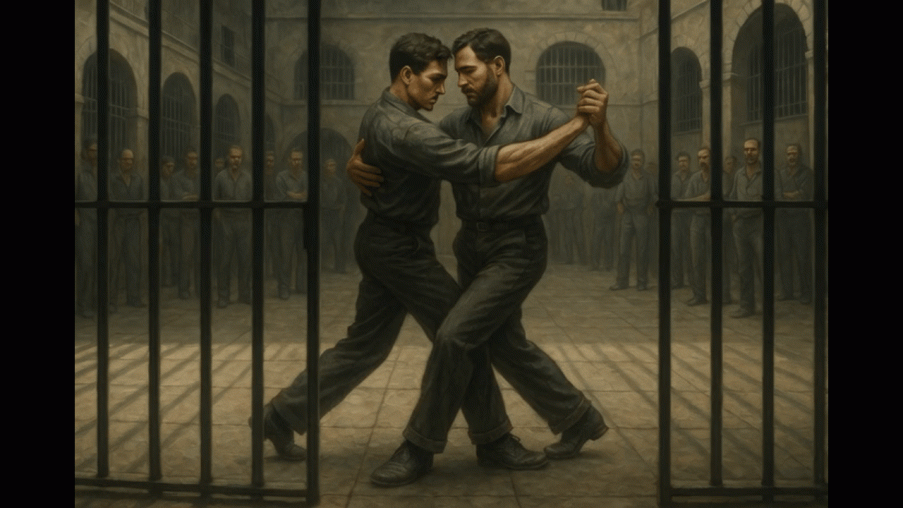
But before the official tributes, the theaters, and the festivals, tango was something else: a language of the streets, of the ports, of the brothels... and also of the prisons, where a few guys learned to survive with three things: body, rhythm, and colleagues.
Tango, slang, and bars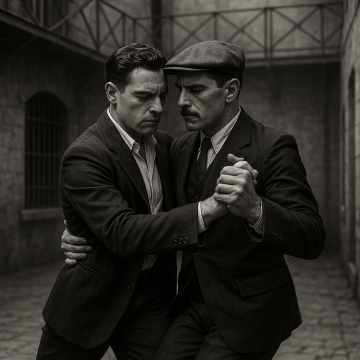
At the end of the 19th century, Buenos Aires and Montevideo were a beautiful chaos: immigration, poverty, night, alcohol, prostitution, and crappy jobs. In that breeding ground, among slums and ports, tango appears.
The prisons were full of:
-
Thieves, hustlers, gamblers, swindlers
-
People who just had bad luck
-
Colleagues who, even without knowing each other, shared confinement and anger
There, the slang (street and prison jargon), stories of lost love, betrayals, absences... and the desire to move were mixed. Tango also started as that: a way to say "we are still alive, even though we are inside".
Dancing without a dance floor, with little space and a lot of contact
In a prison, there is no ballroom. There are hard courtyards, narrow hallways, and cells. That shapes the style:
-
Close embrace, because there is no space and trust is scarce
-
Short, precise steps, as if each movement had to dodge a wall
-
No impossible choreographies: what matters is the connection, not showing off
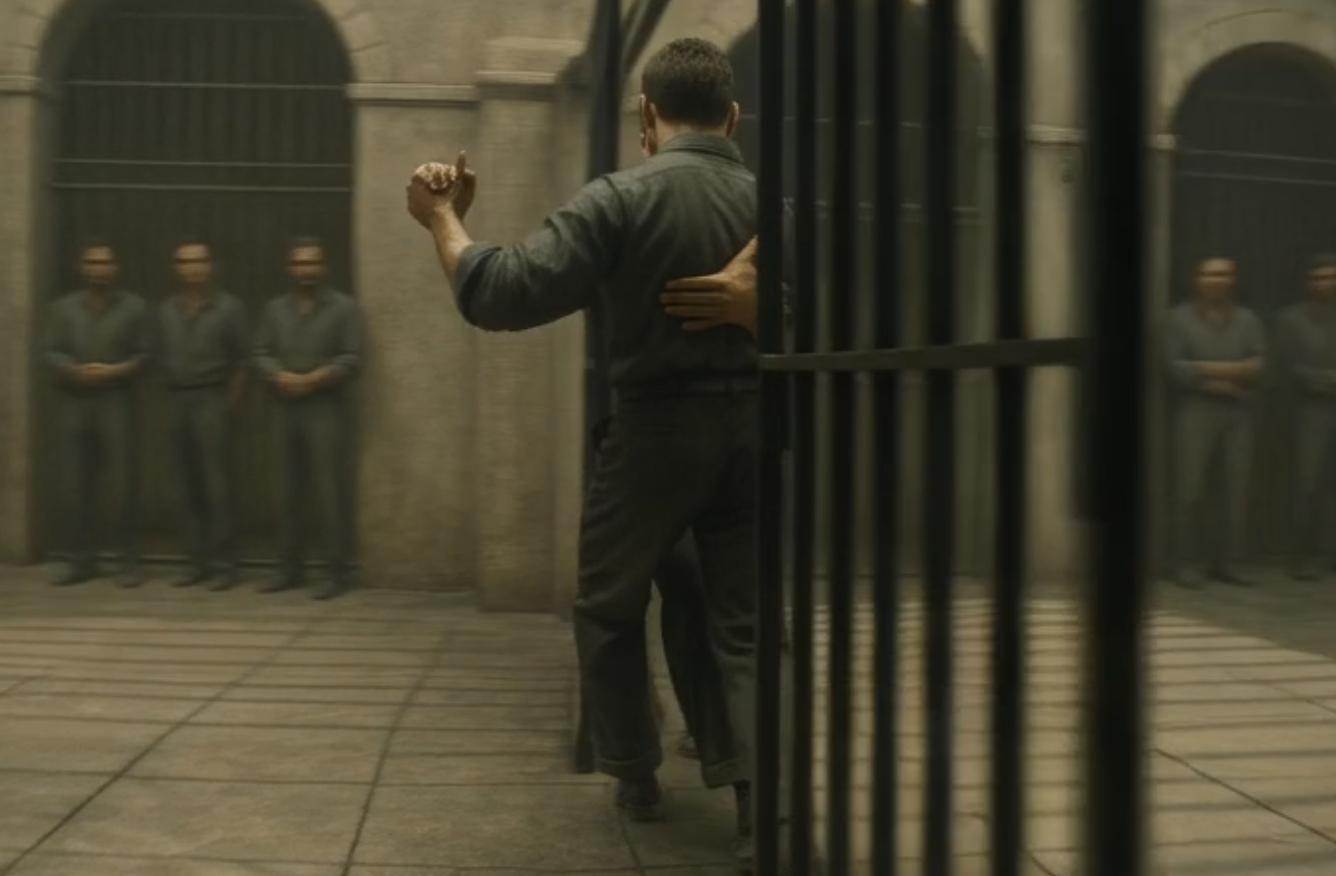
Imagine the courtyard: a rickety bandoneon, an old guitar, or just knuckles marking the beat. Two inmates practicing steps, turning slowly, trying out cuts and breaks. Dancing becomes a kind of training for freedom, while the body remains behind bars.
 Tango as mental escape
For many prisoners, tango was an escape without drilling walls:
-
When they danced, they were not in prison: they were in the neighborhood, in the brothel, in the milonga.
-
When they sang tango lyrics, they told their life stories without having to look each other in the eyes.
-
When they embraced to practice, they broke the invisible wall of isolation.
It was a way to communicate without words, to release the weight of confinement. Among colleagues, tango became a pact: "we are screwed, but we are not dead".

Sensuality in a place where almost everything is forbidden
Prison is control: schedules, monitored bodies, scrutinizing looks, zero privacy. That's why tango inside is pure dynamite. It is sensuality in an environment designed to suppress it.
Tango is not a scandalous dance, it is a dance of tension:
-
It's not about jumping around, but about getting close, brushing, stopping millimeters away
-
Desire is not shouted: it's hinted in a turn, in a leg cross, in a shared breath
-
Intensity lies in what doesn't happen... but could happen
That tight tango embrace, firm, guiding and being guided, in a prison means much more than "dancing": it's touching a territory that is normally off-limits. Feeling another colleague to the rhythm of the same beat is an act of resistance.
From mud and cell to elegant ballroom
Over time, tango rose "in status": it left the prisons, brothels, and slums to get into:
-
Elegant ballrooms
-
Stages
-
Academies and shows
The forms were refined, the style polished, suits and polished shoes were put on. But, even though we see it today in theaters or festivals, tango always carries its origin:
-
Marginal, streetwise, prison-born
-
Made of desire, anger, loneliness, and the desire for contact
-
Born among people who knew what it was to be screwed
Every time a perfect tango is danced on a stage, behind it echoes the bars, cold courtyards, and long nights where two colleagues found a moment of freedom in an embrace.
A code for what couldn't be said
In prison, many things couldn't be named:
fear, loneliness, desire, hatred for the system.
Tango then became a shared code:
-
Turns spoke of twisted paths and missed opportunities
-
Cuts were small interruptions to the routine of confinement
-
The embrace closed a silent deal: "I support you, you support me"
What couldn't be said aloud was expressed in the body. And among colleagues, that physical trust was pure gold.
Why is tango still so sensual today?
Because it's not just a pretty dance: it's a dance that carries the experience of confinement and the desire to break free.
The sensuality of tango comes from:
-
The right touch: neither cold nor bold, just enough to ignite something
-
Control: it could be much more explicit... but it stays on the edge
-
The silence between notes, where everything that dares not be said sneaks in
Tango remains sensual because it smells of forbidden, intimacy, a secret between two. Something that could break if a third person enters the scene.
A toast to tango... and to colleagues
So today, on National Tango Day in Argentina, while remembering Gardel, De Caro, and all the orchestras that made history, it's also worth raising a glass to those rougher and truer origins:
-
For the inmates who marked the beat with their knuckles in the courtyard.
-
For the cold courtyards where two men dared to embrace to the rhythm of a bandoneon.
-
For the colleagues who used tango to say "we don't give up," even with bars in front of them.
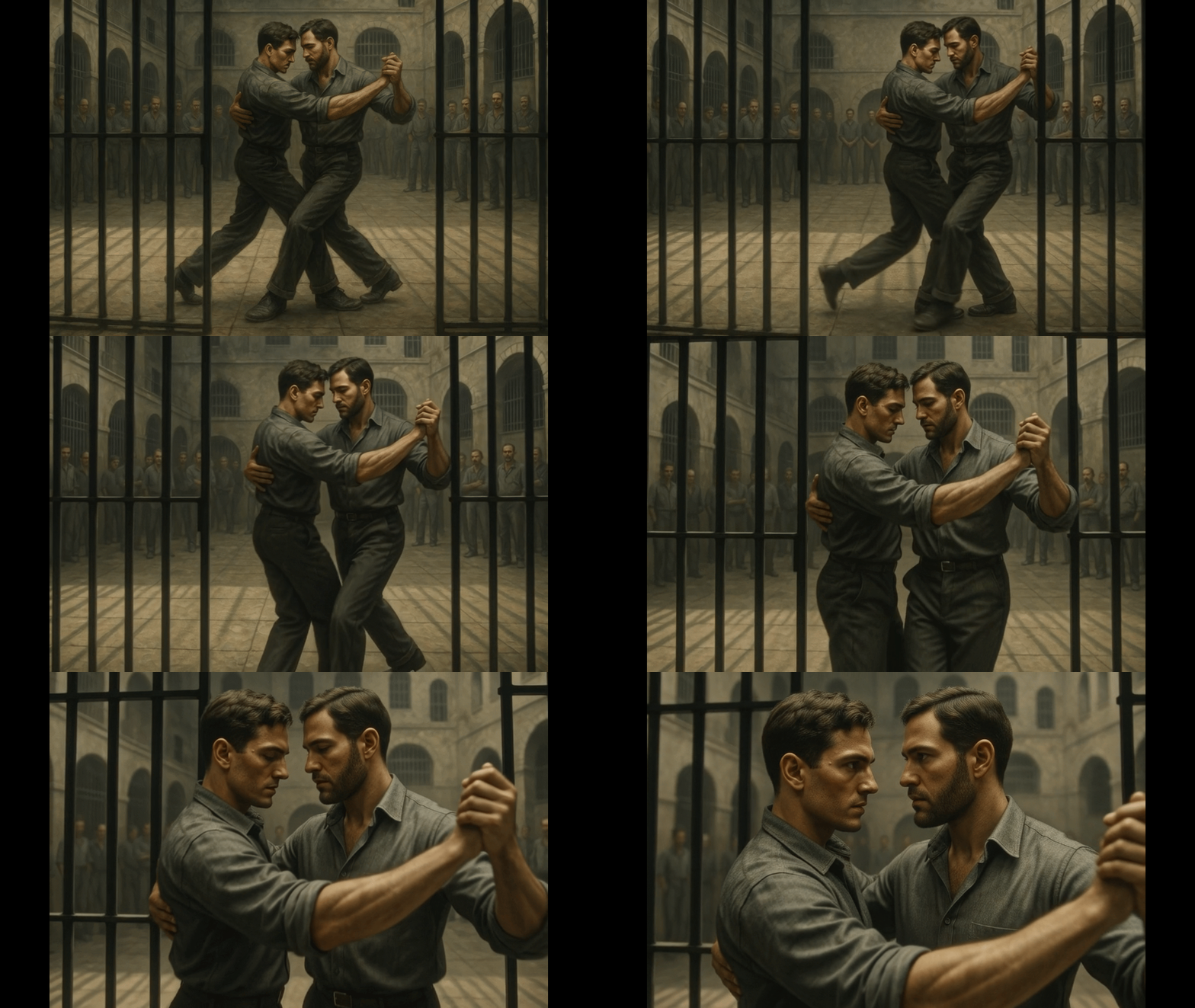
Because, in the end, tango is that: confinement turned into embrace, sorrow turned into movement, and two bodies —two colleagues— choosing not to let go for a few songs.
From this side of the pond, in our small colleagues' club, we send a tight hug to you, Argentinian brothers, who made tango not just a dance, but a brutally honest way of being alive. Thank you for that legacy.
🔥 ¡Vaya, vaya! El tango varón-varón, todo un arte que va más allá de los pasos; es un abrazo que dice más que mil palabras. ¿Quién dijo que el encierro apaga el deseo? Aquí, parece que se enciende con cada movimiento. 🙌
Y hablando de movimientos, ¿alguno se atrevería a probar un tango en una celda? 😂 Sería como un escape de película, pero con más roce y menos acción. ¡Brindemos por esos colegas que bailaron entre barrotes y nos dejaron este legado tan sensual! ¿Cuál es su paso favorito? 💃✨